
Personalized Testing Alternatives to VitaminLab
Table of Contents
- Why Personalized Testing Alternatives Matter
- Understanding At-Home Biomarker Testing in the UK
- NAD⁺ Testing Kits for Health Optimization
- Building a Personalized Supplement Routine Based on DNA
- Privacy and Data Security: What You Need to Know
- Actionability of Results and Long-Term Tracking
- Choosing the Right Personalized Testing Service for Your Needs
- Frequently Asked Questions
Last Updated: September 2, 2026
Why Personalized Testing Alternatives Matter
Generic health advice treats everyone the same: identical nutrient recommendations, supplement dosages, and skincare assumptions. But your biology isn't generic. Your metabolism, genetic makeup, and cellular energy levels are uniquely yours.
Personalized testing alternatives let you measure what your body needs rather than guessing. At Bien-Etre, we've built our approach around lab-backed diagnostics that reveal your individual biology, from NAD⁺ levels that signal cellular energy to DNA analysis that explains how your body processes nutrients. The shift from generic wellness to data-driven personalization is the only approach that actually makes sense once you understand what's possible.
The market for personalized testing has expanded significantly, offering at-home biomarker testing, DNA analysis, and supplement formulation based on individual results. But not all alternatives are equal. Some focus narrowly on genetics. Others test biomarkers without explaining what to do with the data. Still others lack the clinical rigour to make their results trustworthy.
This guide covers the landscape of personalized testing alternatives available to you, what each type of test measures, how to interpret results, and how to choose a service that matches your actual needs.
Understanding At-Home Biomarker Testing in the UK
At-home biomarker testing has transformed how people access health data without clinic visits. Instead of booking an appointment, waiting weeks for a slot, and spending time in a surgery, you collect a sample at home and send it to an accredited laboratory. Turnaround is typically 7-10 working days, and you receive a report designed to be understandable, not jargon-heavy.
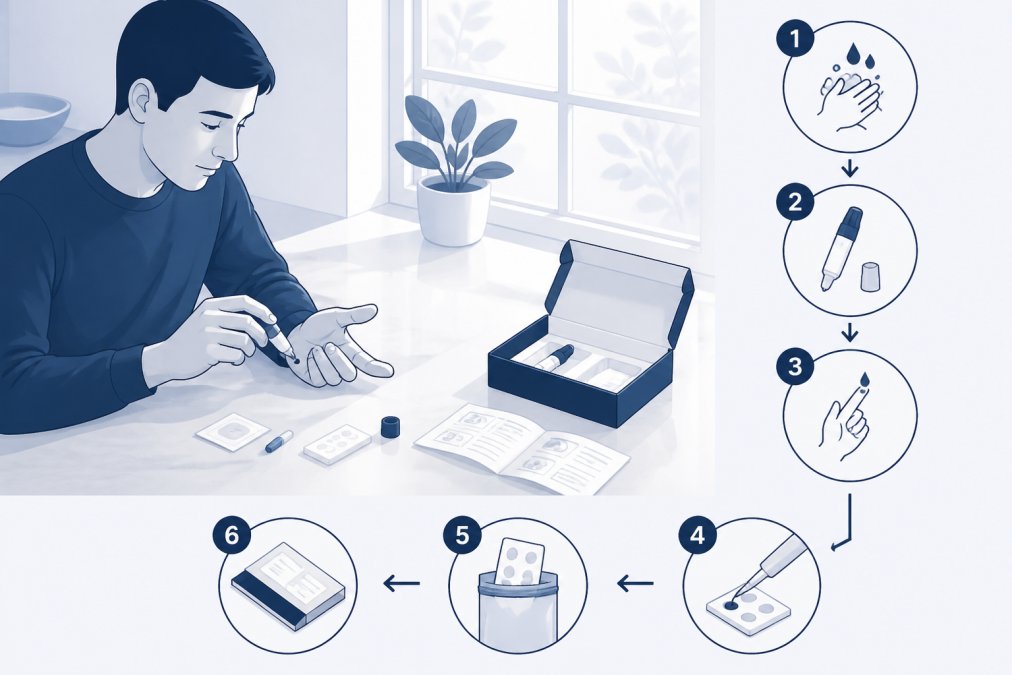
How at-home biomarker testing works
At-home biomarker testing relies on a dried blood spot collection method. You prick your finger, collect a small blood sample onto a filter card, and return it using prepaid packaging. The laboratory then analyses the sample for specific biomarkers, molecules in your blood that indicate metabolic health, nutrient status, cellular function, or other physiological markers.
The entire process removes friction. You don't need to fast overnight, book time off work, or sit in a waiting room. Accredited laboratories analyse these samples using validated clinical protocols, delivering results as a secure digital report with plain-language interpretation.
Key biomarkers for health optimization
Different biomarkers tell different stories about your health. NAD⁺ (nicotinamide adenine dinucleotide) measures cellular energy production and mitochondrial function, critical for anyone experiencing fatigue or seeking to optimise recovery. Nutrient markers like vitamin B12, folate, vitamin D, and magnesium reveal deficiencies that might explain fatigue, poor sleep, or weak recovery. Metabolic markers including blood glucose, lipid profiles, and inflammatory markers indicate how well your metabolism is functioning.
NAD⁺ Testing Kits for Health Optimization
NAD⁺ has become central to conversations about cellular health and longevity. Unlike generic wellness trends, NAD⁺ testing is grounded in measurable biology: your NAD⁺ level directly reflects your cells' capacity to produce energy and repair themselves.
What NAD⁺ levels reveal about cellular health
NAD⁺ is a coenzyme present in every cell, essential for converting nutrients into usable energy. As we age, NAD⁺ levels naturally decline, a process linked to fatigue, slower recovery, and reduced cellular repair capacity (peer-reviewed research). Measuring your NAD⁺ baseline tells you whether low energy stems from genuinely depleted cellular reserves or other causes. If your NAD⁺ is genuinely low, targeted supplementation with nicotinamide riboside (NR) or nicotinamide mononucleotide (NMN) can raise it measurably.
Testing before and after supplementation is the only way to know whether your protocol is actually working. The Bien-Etre Starter Pack combines a clinical-grade NAD⁺ test with one month of NAD⁺ supplement (nicotinamide riboside 600 mg daily) at £299.00, allowing you to establish your baseline and begin optimising with real data.

Clinical validation and accuracy standards
Not all NAD⁺ tests are equal. Some measure NAD⁺ using methods that don't correlate well with cellular function. Others lack third-party validation or use laboratories without proper accreditation. Clinical-grade NAD⁺ testing uses CLIA-accredited laboratories, the gold standard for diagnostic accuracy in the UK and internationally (the CDC). CLIA accreditation means the laboratory meets strict standards for accuracy, reliability, and quality control.
Bien-Etre's NAD⁺ test uses dried blood spot collection analysed by CLIA-accredited partners, delivering results with clinical diagnostic rigour.
Building a Personalized Supplement Routine Based on DNA
DNA analysis has moved beyond ancestry testing. Modern DNA-based nutrition and fitness reports examine genetic variants that influence how your body processes nutrients, responds to exercise, and manages inflammation. Your genes don't determine your health outcomes, but they do explain why two people eating the same diet and following the same training programme experience different results.

How DNA analysis informs supplement selection
Your genes influence nutrient metabolism. Some people carry variants that reduce their ability to convert dietary folate into its active form, methylfolate (peer-reviewed research). Others have genetic variants affecting vitamin D absorption or B12 metabolism. A DNA-based nutrition report identifies these variants and explains their practical implications: if you have reduced folate metabolism, you may need higher folate intake or supplemental methylfolate rather than standard folic acid.
Bien-Etre's DNA Nutrition Test (£199.00) examines genetic factors influencing nutrient metabolism, food sensitivities, metabolic health, and recovery capacity. The report covers how your body processes vitamins and minerals including folate, B12, vitamins A, C, D, and E, magnesium, zinc, selenium, choline, and omega-3s. It also addresses genetic context for lactose sensitivity, gluten risk, caffeine metabolism, and salt sensitivity.

Nutrient metabolism and absorption differences
Absorption isn't uniform across humans. Your genetic makeup influences whether you absorb nutrients efficiently or struggle to extract them from food. These differences explain why personalised supplement routines based on DNA outperform generic multivitamins. Rather than taking a broad-spectrum supplement designed for a population average, you target the specific nutrients your genetics suggest you need in higher amounts.
Privacy and Data Security: What You Need to Know
Genetic data is sensitive. Before sending a sample to any testing service, you need to understand where your data goes, who can access it, and whether it's protected. Reputable testing services keep genetic data encrypted and separate from personally identifiable information. They don't sell your data to third parties without explicit consent and comply with data protection regulations, including the UK General Data Protection Regulation (GDPR).
Before choosing a service, review their privacy policy directly. Look for clear statements about data encryption, retention periods, and whether genetic data is ever shared with researchers, insurance companies, or other third parties. Bien-Etre stores genetic and health data securely with strict access controls. Your report is delivered via a secure digital portal, and you have the option to download and keep your results privately.
Actionability of Results and Long-Term Tracking
A test result means nothing if you can't act on it. Many people receive lab reports filled with numbers and ranges but no clear guidance on what to do next. The best services deliver results with actionable recommendations: not just "your vitamin D is low," but "your vitamin D is low; here's the supplemental dose that research suggests for your situation, and here's when to retest to see whether it's working."
Interpreting lab results for real-world decisions
Lab reports should translate data into decisions. If your NAD⁺ is low, the report should explain whether supplementation is appropriate for your situation and what dose research supports. If your DNA analysis shows reduced folate metabolism, the report should specify whether you need higher folate intake, supplemental methylfolate, or both. Bien-Etre's reports are designed for this purpose: they explain what your results mean in plain language, connect findings to your specific situation, and provide recommendations you can discuss with your healthcare provider or coach.
Integration with wearables and ongoing health monitoring
A single test provides a snapshot. Real optimisation requires ongoing tracking. Wearables, smartwatches, fitness trackers, and continuous glucose monitors provide daily data on sleep, activity, recovery, and metabolic markers. Combining periodic biomarker testing with continuous wearable data creates a complete picture of your health trajectory.
Choosing the Right Personalized Testing Service for Your Needs
The market offers multiple options, each with different strengths. Some services excel at biomarker testing, others at DNA analysis, still others at integration with health coaching. Choosing the right one depends on your specific health concerns, your budget, and what you actually need to know.
Comparing cost, scope, and support options
Entry-level tests typically cost £150-£250 and focus on either biomarkers or DNA. Mid-range options (£250-£400) often bundle multiple test types or include supplementation. Premium services (£400+) may include ongoing coaching, repeat testing, or integration with wearables.
Cost alone shouldn't drive your choice. A cheap test that doesn't answer your actual question wastes money. Consider what you genuinely need to know. Bien-Etre's pricing is straightforward. The NAD⁺ Intracellular Test is £299.00 standalone. The DNA Nutrition Test is £199.00. The 60 Day Cellular Recharge bundle (NAD⁺ test plus 60 days of NMN300 supplement) is £199.00, offering better value if you're ready to supplement. The Starter Pack (NAD⁺ test plus one month of NAD⁺ supplement) is £299.00, with the first month of supplementation included free.
| Service Type | Typical Cost | Best For | Support Level |
|---|---|---|---|
| Biomarker testing only | £150-£250 | Understanding specific health markers | Minimal; results only |
| DNA analysis only | £150-£250 | Understanding genetic influences on nutrition | Minimal; report only |
| Biomarker + DNA bundle | £250-£400 | Comprehensive baseline health picture | Moderate; interpretation guides |
| Test + supplementation bundle | £200-£350 | Testing and implementing changes together | Moderate; supplement guidance |
| Test + coaching | £400-£800 | Personalised health optimisation with professional guidance | High; ongoing support |
What to expect from your results and next steps
When you order a personalised test, expect a turnaround of 7-10 working days from sample receipt to report delivery. Your report will arrive as a secure digital document with a dashboard or portal where you can view results, download PDFs, and track changes over time if you retest.
The report should explain what each result means, how it compares to healthy ranges, and what it suggests about your health. It should provide actionable recommendations: not just "your vitamin D is low," but specific supplementation guidance and retesting timelines.
After receiving results, your next step depends on what you've learned. If biomarkers suggest nutrient deficiencies, supplementation is straightforward. If DNA analysis reveals genetic influences on nutrient metabolism, you adjust your diet or supplementation accordingly. If NAD⁺ testing shows depleted levels, targeted NAD⁺ supplementation with retesting after 60-90 days tells you whether the intervention is working.
Personalised testing removes guesswork from health optimisation. Rather than following generic advice that may or may not suit your biology, you measure your actual health markers, understand what they mean for your situation, and make informed decisions. Bien-Etre's clinical-grade NAD⁺ testing and DNA-based nutrition analysis provide the data foundation you need. Start with the NAD⁺ Intracellular Test to understand your cellular energy baseline, or combine testing with supplementation using the 60 Day Cellular Recharge bundle to establish your baseline and begin optimising together. Discuss your results with your healthcare provider or coach to build a personalised health strategy grounded in your unique biology, not population averages.
Frequently Asked Questions
How does at-home biomarker testing differ from standard blood work at my GP surgery?
At-home biomarker testing uses the same clinical laboratory analysis as traditional blood work but removes the clinic appointment. You collect a dried blood spot sample at home and return it by post to an accredited lab. The main difference is convenience and focus: at-home tests typically target specific biomarkers like NAD+ levels or nutrient deficiencies, whereas GP blood work follows a broader diagnostic protocol. Both provide lab-backed data, but at-home testing lets you track specific health metrics on your own schedule without waiting for an appointment.
Can a personalized supplement routine based on DNA actually improve my health outcomes?
A personalized supplement routine based on DNA provides actionable insights into how your body processes nutrients, but results depend on consistent use and your individual biology. DNA testing reveals genetic variations affecting nutrient metabolism, food sensitivities, and inflammation markers. When combined with baseline biomarker testing before supplementation, you can measure whether a tailored protocol actually works for you. The key is testing before and after to see real progress, rather than guessing at what your body needs.
Are at-home diagnostic tests for health tracking as accurate as lab tests ordered by my doctor?
Yes, when they use CLIA-accredited laboratories. The accuracy depends on the lab's accreditation and the test's clinical validation, not whether you collect the sample at home or in a clinic. Many at-home biomarker testing services use the same accredited labs and validated protocols as traditional healthcare providers. The difference is that at-home tests focus on wellness and optimization rather than diagnosis. Always check that your chosen service uses third-party validated testing and accredited laboratory analysis.
What should I do with my test results once I receive them?
Your results should come with a plain-language report explaining what your biomarkers mean and practical recommendations. Use this to identify gaps in your current routine: nutrient deficiencies, NAD+ levels, or metabolic patterns. Share your results with your healthcare provider or a nutritionist to discuss how to address them safely. If you're starting a personalized supplement routine, retest after 60-90 days to measure whether your protocol is actually working. This data-driven approach replaces guessing with measurable progress.
This article was written using GrandRanker