
Is Customized Wellness Worth the Cost? A 2026 Review
Table of Contents
- Is Customized Wellness Worth the Cost? The Honest Verdict
- What You Actually Pay For: Breaking Down the Investment
- The Benefits of Preventative Health Biomarkers vs. Guessing Games
- How to Interpret Health Test Results Without the Jargon
- Where Customized Wellness Falls Short: The Over-Customization Trap
- Data Privacy: Who Sees Your Genetic and Biomarker Results?
- Is Customized Wellness Worth It for You? A Decision Framework
- The Bottom Line on Customized Wellness Value
- Frequently Asked Questions
Last Updated: September 9, 2026
Is Customized Wellness Worth the Cost? The Honest Verdict
The promise is seductive: a health plan built around your DNA, your biomarkers, and your specific goals rather than a generic pamphlet. But whether customized wellness is worth the cost deserves more scrutiny than the marketing suggests. At Bien-Etre, the answer hinges on whether the data you receive actually changes what you do next.
The honest verdict is that customized wellness delivers real value, but only under specific conditions: when you act on the results, when the testing uses validated laboratory methods, and when you understand the limits of what any test can tell you.
What You Actually Pay For: Breaking Down the Investment
A typical at-home diagnostic test from a reputable provider costs between £199 and £299. For that price, you are paying for three distinct things: laboratory analysis, interpretation, and actionable recommendations. The lab work is the non-negotiable foundation.
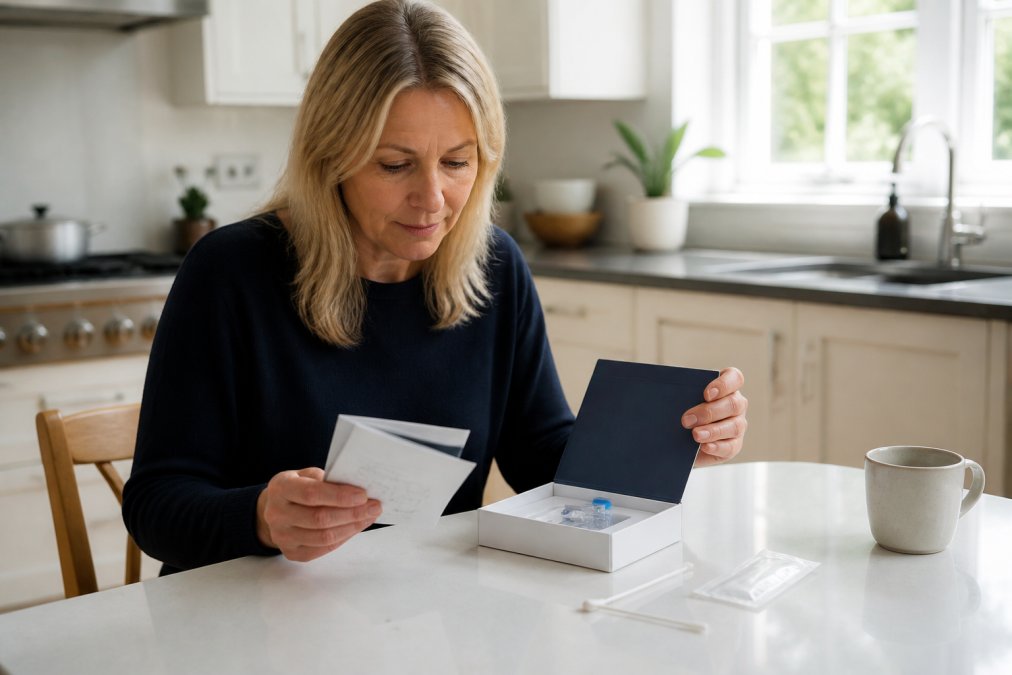
Interpretation is where the value concentrates. Raw numbers mean little without context. A skilled analysis explains what your NAD⁺ level implies for your energy and recovery, or how your genetic profile influences your skin's ageing pathways. The final piece, recommendations, is where most plans succeed or fail. Generic advice to "eat more vegetables" does not justify a premium price. Specific guidance, such as adjusting your training load based on measured recovery markers, does.
Consider the DNA Nutrition Test at £199 from Bien-Etre, which analyses genetic factors influencing nutrient metabolism, food sensitivities, and recovery. The NAD⁺ Intracellular Test at £299 measures a biomarker directly tied to cellular energy. These are one-time costs, not subscriptions, and the DNA tests inform your approach for life since your genetic code does not change.

The Long-Term Financial Picture
The upfront cost of a single test is only one side of the equation. To judge whether customised wellness is worth the cost, compare it against the cumulative spend on generic wellness products that may not be right for you. The typical annual UK spend on supplements often amounts to £300-£600 for a multi-vitamin, fish oil, and a few trendy additions. Without a baseline measurement, you have no way of knowing whether that spend addresses a genuine deficiency or simply creates expensive urine.
A more useful comparison is against the cost of treating chronic conditions that might be prevented or better managed with early biomarker insight. The NHS spends billions annually on type 2 diabetes and cardiovascular disease, conditions heavily influenced by lifestyle. While a £299 test is not a diagnostic tool for these diseases, it can reveal markers like HbA1c or an advanced lipid profile that indicate risk years before a GP would screen you.
There is also the question of what you are not spending. The 'over-customisation trap' often leads people to buy a new supplement for every symptom. A single comprehensive test that identifies your actual bottlenecks can eliminate the guesswork and the associated spending on products you do not need.
The Cost of Inaction
Finally, consider the cost of doing nothing. The fatigue you have been ignoring for two years, the poor recovery that limits your training, the skin concerns that no over-the-counter cream seems to fix, these all have a cost: lost productivity, an unused gym membership, or yet another failed skincare line. Customised wellness testing replaces that cycle of guesswork and repeated failure with a single, data-driven intervention.
The Benefits of Preventative Health Biomarkers vs. Guessing Games
Most people manage their health through guesswork. They try a supplement, wait to feel different, and abandon it after a few weeks without knowing whether it ever stood a chance of working. Preventative health biomarkers replace that trial-and-error with measurement.
The practical benefits extend beyond supplementation. For athletes, knowing your recovery capacity helps you periodise training rather than guessing between overtraining and undertraining. For adults in their 40s and 50s experiencing fatigue, a biomarker panel can reveal whether the problem is cellular, nutritional, or something to discuss with a GP.
The 60 Day Cellular Recharge plan, which bundles a NAD⁺ test with two months of NMN300 at £199, is designed around this testing-first philosophy. You establish your baseline, supplement for 60 days, then retest to confirm the protocol is actually working. That before-and-after comparison is the difference between data-driven wellness and blind optimism.
How to Interpret Health Test Results Without the Jargon
Receiving a lab report full of unfamiliar markers and reference ranges is overwhelming. A good provider translates the data into plain language, but you still need a framework for reading your own results.
Start by separating three categories of information: genetic markers, which are fixed and indicate predispositions rather than current states; dynamic biomarkers like NAD⁺, which fluctuate with age, stress, and lifestyle and can be improved through intervention; and lifestyle factors, such as sleep and activity patterns, which interact with both.
When you receive your report, focus on the recommendations attached to each result, not the raw numbers. Ask three questions: What is this marker telling me? Can I change it? What specific action follows? If a report cannot answer those questions clearly, its practical value is limited. plant-based skincare value.
Where Customized Wellness Falls Short: The Over-Customization Trap
Customized wellness has a failure mode that few providers acknowledge: the temptation to over-engineer a simple problem. Not every symptom requires a genetic test. Sometimes fatigue is poor sleep, not a NAD⁺ deficiency. Sometimes skin issues are sun damage, not a collagen gene variant.
The cost compounds quickly. One test leads to another, each generating new supplement recommendations, until you are managing a dozen variables and cannot tell which one is helping. A responsible provider will tell you when a test is unnecessary and when a conversation with your doctor is the better first step.
The Psychology of Personalised Data
The financial cost of over-customization is visible, but the psychological cost is often more significant. Receiving a detailed report on your genetic predispositions and biomarker status can trigger cognitive biases that undermine the very purpose of the test.
Action Paralysis: When faced with a 20-page report listing ten different markers that need attention, the brain often responds not with motivation but with overwhelm. The sheer volume of potential interventions creates a decision-making bottleneck. Instead of acting on the one or two most impactful insights, many people do nothing at all. This is a well-documented phenomenon in behavioural psychology: when the number of choices exceeds our cognitive capacity, we default to the status quo.
The Anxiety of Risk Markers: Seeing a genetic predisposition to a condition can cause unnecessary anxiety, particularly for individuals who interpret risk markers as diagnoses. A predisposition is not a prediction, and a good report will state this explicitly rather than relying on alarming language to justify its price. This anxiety can paradoxically lead to avoidance, the person stops engaging with the data altogether because it feels threatening.
The 'Good Enough' Principle
A common pattern among practitioners who work with personalised health data is that the most successful clients adopt a 'good enough' approach. They do not try to optimise every single marker. Instead, they identify the top two or three interventions that offer the highest return on effort and focus on those for a defined period, such as 60-90 days.
This is where the distinction between 'customised' and 'personalised' becomes crucial. A truly personalised approach is iterative and focused. It starts with a hypothesis, "I think my fatigue is related to cellular energy", and tests that specific hypothesis. The over-customization trap, by contrast, treats the body as a machine with dozens of independent parts that all need tuning at once.
How to Avoid the Trap
Before purchasing any test, ask yourself a simple question: "What is the single most important thing I want to learn, and what will I do differently if I get a specific answer?" If you cannot answer that question clearly, you are likely to fall into the trap. A responsible provider will help you focus, asking about your symptoms, goals, and current lifestyle before recommending a test.
It is also worth setting a boundary on the number of variables you will change at once. If a report suggests five different interventions, pick the one that is easiest to implement and most likely to have a downstream effect. This approach respects the psychological reality that sustainable behaviour change happens incrementally. The goal of customised wellness should be to reduce complexity, not to multiply it.
Data Privacy: Who Sees Your Genetic and Biomarker Results?
Before you send a saliva sample or fingerprick blood spot through the post, you should know exactly where that biological material goes and who can access the resulting data. Genetic information is among the most sensitive personal data that exists. It identifies you, your family members, and your predispositions for life. The Information Commissioner's Office guidance on genetic data classifies genetic and biometric data as special category data under UK data protection law, which means it requires stronger safeguards than ordinary personal information.
Reputable providers use accredited laboratories and secure digital reporting. Your results should be accessible only to you, with the option to share them with your healthcare provider. Before purchasing, check the provider's privacy policy for three things: whether your data can be sold to third parties, whether it is anonymised for research, and whether you can request deletion. The UK GDPR provisions on special category data give you specific rights over your data, including the right to erasure.
Bien-Etre's testing model addresses these concerns by analysing samples at CLIA-accredited laboratories and delivering secure digital reports. Your results are yours to share with a doctor, nutritionist, or coach as you choose. The NHS guide to understanding genetic testing is a useful resource for understanding what these results can and cannot tell you before you start.
Is Customized Wellness Worth It for You? A Decision Framework
| Your Situation | Recommended Approach | Expected Value |
|---|---|---|
| Chronic fatigue, no clear cause after GP visit | NAD⁺ test + lifestyle review | High, if results guide supplement or recovery changes |
| Athlete optimising training and recovery | Biomarker testing before/after protocol | High, measurable performance impact |
| Skin concerns without a clear routine | DNA skin analysis for lifelong guidance | Moderate, one-time cost, durable insight |
| General curiosity, no specific symptoms | Start with lifestyle changes first | Low, testing may add noise without action |
| Unwilling to act on results | Skip testing entirely | None, data without action is wasted spend |
The decision framework above distils whether customized wellness is worth the cost for your specific circumstances. The common thread is actionability. If you will use the results to change your behaviour, the investment justifies itself.
For those ready to act, the Starter Pack combining the NAD⁺ test with a month of supplementation at £299 offers a structured entry point. It includes the baseline test, a month of NAD+ precursor, and the expectation that you retest to measure progress. That closed loop of measure, intervene, and re-measure is the gold standard for personalised health.

The Bottom Line on Customized Wellness Value
Customized wellness is worth the cost when it replaces guesswork with measurement and when those measurements lead to specific, actionable changes. It is not worth the cost when it becomes an end in itself, generating reports you file away without altering your routine.
The most honest framing comes from the National Institute for Health and Care Excellence guidance on health and wellbeing, which emphasises that effective interventions are those integrated into daily life. A test that prompts you to adjust your training, change your supplement stack, or start a conversation with your doctor has delivered value. A test that merely confirms what you already suspected has not.
Bien-Etre's approach is built on this principle: lab-backed testing, jargon-free reports, and recommendations you can actually use. Whether you choose the DNA Nutrition Test, the DNA Skin Test, or the NAD⁺ Intracellular Test, the goal is the same. Stop guessing why you feel run down. Get measurable answers. Discuss them with your healthcare provider. Then act.
Frequently Asked Questions
How is an at-home DNA test different from generic health advice?
Generic advice targets population averages. A customized wellness approach uses your own biomarkers and genetics. For instance, Bien-Etre's DNA Nutrition Test examines how your body processes nutrients like B12, magnesium and omega-3s. Instead of a one-size-fits-all meal plan, you get food and supplement guidance based on your biology. This distinction matters because two people can eat the same diet and absorb nutrients very differently. The goal is a tailored health experience rather than a standard checklist.
Are at-home diagnostic tests regulated in the UK?
In the UK, at-home tests that provide health insights are regulated as medical devices under the Medicines and Healthcare products Regulatory Agency (MHRA) rules when they claim a medical purpose. Wellness and educational tests are treated differently. When choosing a provider, check that the laboratory analysis is accredited and the protocols are validated. Bien-Etre uses accredited partner laboratories for its genetic and NAD+ testing. The reports are for educational and wellness purposes, not medical diagnosis, so it is worth discussing results with your GP or a qualified professional.
Can customized wellness reduce long-term healthcare costs?
The benefits of preventative health biomarkers include catching issues before they become expensive chronic conditions. By understanding your genetic risks for inflammation, blood sugar response or nutrient deficiencies, you can make targeted lifestyle changes. This data-driven wellness approach may help prevent conditions linked to metabolic health, potentially reducing future direct care costs and productivity loss. The upfront investment in a test such as the NAD+ Intracellular Test at £299 is modest compared with the long-term value of proactive health management. Think of it as a health foundation rather than a one-time purchase.
How do I know if a personalised wellness plan is right for me?
A personalised plan makes sense if you have tried generic advice without results. You are a good candidate if you train regularly and want data-driven recovery insights, or if you are experiencing unexplained fatigue and want a measurable baseline like NAD+ levels. It also suits people who want a clear, jargon-free report to discuss with their doctor or coach. If you are happy with your current health approach, the cost may not be justified. But if you are tired of guessing, biomarker testing offers a concrete starting point rather than another round of trial and error.
The decision to invest in customized wellness comes down to your willingness to act on the results. If you are ready to replace guesswork with measurable, lab-backed data and clear guidance, Bien-Etre provides the testing and the plain-language reports to make that possible. Get started with Bien-Etre and build a health plan based on your biology, not a one-size-fits-all template.