
Is At-Home NAD Testing Accurate? A Practical Guide
Table of Contents
- How At-Home NAD Testing Works
- Clinical-Grade NAD Testing: What Sets It Apart
- Accuracy and Reliability: What the Evidence Shows
- How to Interpret NAD Levels and Reference Ranges
- Clinical Oversight and Medical Consultation
- Limitations of DIY NAD Testing and When Laboratory Analysis Matters
- Building Your Post-Test Action Plan
- Frequently Asked Questions
Last Updated: August 31, 2026
How At-Home NAD Testing Works
At-home NAD testing uses a fingerprick collection method to measure intracellular NAD⁺ levels, the coenzyme your cells depend on for energy production, DNA repair, and cellular signalling. You collect a small blood sample on a dried blood spot card at home, seal it in a provided envelope, and post it to an accredited laboratory for analysis. This removes the friction of clinic visits while maintaining clinical-grade testing rigour.
The appeal is clear: no appointment, travel time, or healthcare professional needed. Your sample reaches the lab within days, gets processed using validated biochemical methods, and you receive a detailed report explaining what your NAD⁺ levels mean for your energy, recovery, and cellular health.
Sample collection and laboratory analysis
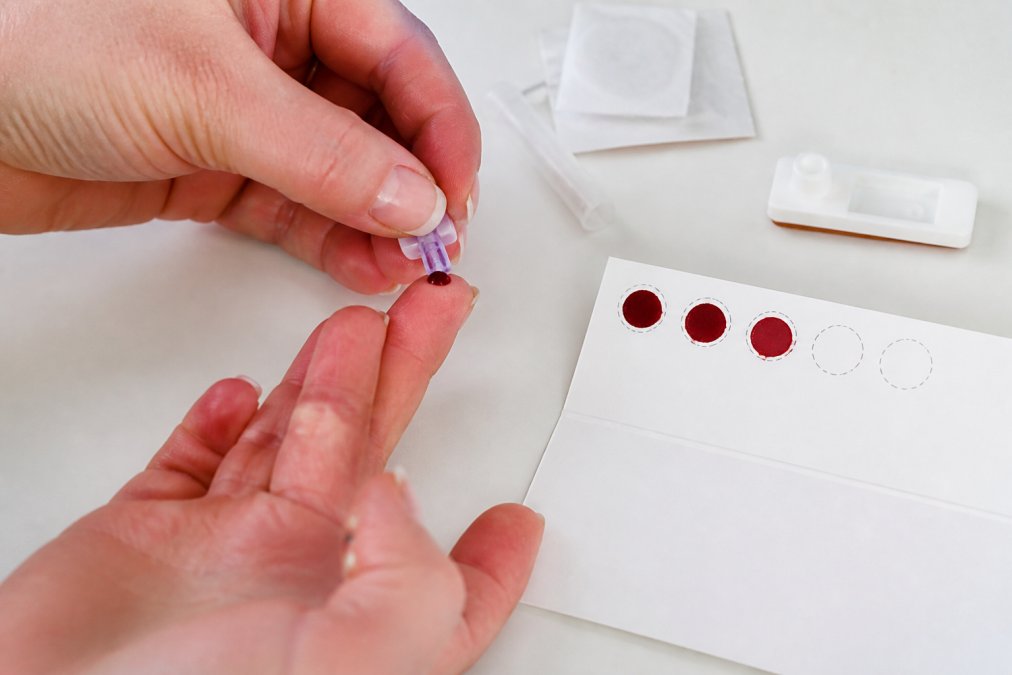
Dried blood spot analysis is the backbone of at-home NAD testing. You prick your finger with a sterile lancet, apply a few drops of blood to a specially treated card, and let it dry. The card stabilises the sample, preventing degradation during transit. Once at the laboratory, technicians extract the blood and measure NAD⁺ concentration using liquid chromatography or similar analytical methods.
This method has genuine advantages. Dried blood spots are stable at room temperature for weeks, the collection is non-invasive, and for NAD⁺ measurement specifically, it captures intracellular NAD⁺, which reflects your actual cellular status more accurately than serum NAD⁺ would.
The laboratory performing the analysis matters enormously. Bien-Etre partners with CLIA-accredited facilities, laboratories certified to meet rigorous standards for accuracy, precision, and quality control. CLIA accreditation is the baseline for reliable results. When your sample arrives at a CLIA-accredited lab, trained technicians use validated equipment and documented protocols.
Point-of-care testing versus dried blood spot analysis
Two main approaches exist for at-home NAD testing: point-of-care testing (POCT) and dried blood spot analysis.
Point-of-care testing delivers results within minutes using a portable device. However, POCT devices measure a snapshot of circulating NAD⁺ at that specific moment. NAD⁺ fluctuates significantly throughout the day based on food intake, activity level, and stress, so a single point-in-time reading may not reflect your true cellular NAD⁺ status.
Dried blood spot analysis captures a more stable representation of intracellular NAD⁺. The blood dries on the card, preserving the sample in a consistent state. Once analysed in the laboratory, results reflect NAD⁺ levels less subject to momentary fluctuations. This is why clinical-grade testing uses dried blood spot methodology, it provides more reliable, reproducible data.
For Bien-Etre's NAD⁺ test, the dried blood spot approach combined with laboratory analysis gives you the precision needed to make informed decisions about supplementation and lifestyle changes.

Clinical-Grade NAD Testing: What Sets It Apart
Clinical-grade NAD testing differs fundamentally from consumer wellness tests because it meets regulatory and analytical standards designed to ensure accuracy and reliability.
Regulatory approval and validation standards
The term "clinical-grade" implies the test has been validated against clinical standards and, where applicable, regulatory approval. In the UK context, clinical laboratories operate under the Clinical Laboratory Improvement Amendments (CLIA) framework or equivalent standards that govern accuracy, precision, and quality assurance.

Validation means the test has been compared against a gold-standard method to confirm it measures what it claims to measure. For NAD⁺ testing, validation studies compare the at-home dried blood spot method against laboratory venipuncture samples analysed using the same analytical technique. If results correlate strongly, the method is considered validated. Bien-Etre's NAD⁺ test undergoes this rigorous validation process, ensuring your results are trustworthy.
The practical difference: a clinical-grade test gives you data you can confidently share with your doctor or coach. A consumer wellness test may be interesting but may not meet the standards your healthcare provider expects for making medical decisions.
Sensitivity, specificity, and analytical performance
For NAD⁺ testing, analytical performance matters more than sensitivity and specificity, the test's ability to measure NAD⁺ concentration accurately and precisely. Analytical performance is described using metrics like coefficient of variation (CV), which measures repeatability. A low CV means repeated measurements of the same sample yield nearly identical results.
Clinical-grade NAD⁺ testing targets a CV below 10%, meaning repeated measurements vary by less than 10%. This precision is essential because your NAD⁺ level is a continuous variable. You need to know your actual level, not just whether it's "high" or "low." Analytical performance ensures your number is accurate enough to guide real decisions.
Accuracy and Reliability: What the Evidence Shows
Clinical-grade at-home NAD testing reliably measures NAD⁺ concentration using validated methods. However, accuracy alone doesn't guarantee clinical utility, knowing your NAD⁺ level doesn't automatically tell you what to do about it.
False positives and false negatives in home testing
NAD⁺ testing is fundamentally a measurement test, not a diagnostic test. It tells you your NAD⁺ level; it doesn't diagnose disease. Still, misinterpretation of results can lead to false conclusions.
A false positive might look like this: you get a result showing "low NAD⁺" and assume you have a medical condition requiring treatment. In reality, your NAD⁺ level is low because you've been under stress, sleeping poorly, or not exercising, all modifiable factors. The test is accurate; the interpretation is where the error occurs.
A false negative might occur if your NAD⁺ level appears adequate but you're still experiencing fatigue or poor recovery. This doesn't mean the test failed; it means NAD⁺ is only one factor affecting your energy and recovery. Sleep quality, training load, nutrient status, and stress also matter significantly.
The real risk with at-home NAD testing isn't that the measurement is inaccurate; it's that you might over-interpret the results without proper context. This is why clinical oversight matters.
Pre-analytical error and specimen integrity
Pre-analytical error refers to mistakes that happen before the sample reaches the laboratory, during collection, storage, or transport. These errors can compromise specimen integrity and skew results, even if the laboratory's analytical methods are flawless.
Common pre-analytical errors include improper collection (not enough blood or uneven application), contamination, delayed drying, temperature exposure, and timing issues.
Bien-Etre's collection kits are designed to minimise these risks. The cards are pre-treated to optimise drying and stability, instructions are clear and visual, and the envelope is sealed to protect against contamination. If you follow the collection instructions precisely, allow adequate drying time, and post your sample promptly, specimen integrity is maintained. The laboratory also performs quality checks when your sample arrives; if it looks compromised, they'll flag it and may request a recollection.
How to Interpret NAD Levels and Reference Ranges
Your NAD⁺ test result comes back as a number, typically measured in micromoles per millilitre (µmol/mL) of blood. Understanding what that number means requires context: a reference range, your age, your baseline, and your individual circumstances. (Source: rigorous standards for accuracy, precision, and quality control)

Understanding your results and what they mean for your health
A reference range is the typical range of values for a healthy population. For NAD⁺, reference ranges generally fall between 0.6 and 1.2 µmol/mL. If your result is within this range, your NAD⁺ is considered adequate for a healthy adult.
A result below the reference range suggests your NAD⁺ is lower than typical and might correlate with fatigue, poor recovery, or reduced cellular energy production. However, a low NAD⁺ result doesn't diagnose disease. It's a biomarker suggesting your cells may benefit from interventions that support NAD⁺ production or preservation.
A result above the reference range is less common and less clearly interpreted. High NAD⁺ isn't necessarily "better." It might reflect recent intense exercise, certain medications, or other metabolic states. Without clinical context, a high result is harder to action. third-party testing standards.
The reference range itself has limitations. It describes what's typical, not what's optimal for you individually. Your ideal NAD⁺ level might differ from the population average, especially if you're an athlete or managing a specific health condition. Comparing your result to your own baseline over time is often more useful than comparing to population norms.
When to seek medical interpretation
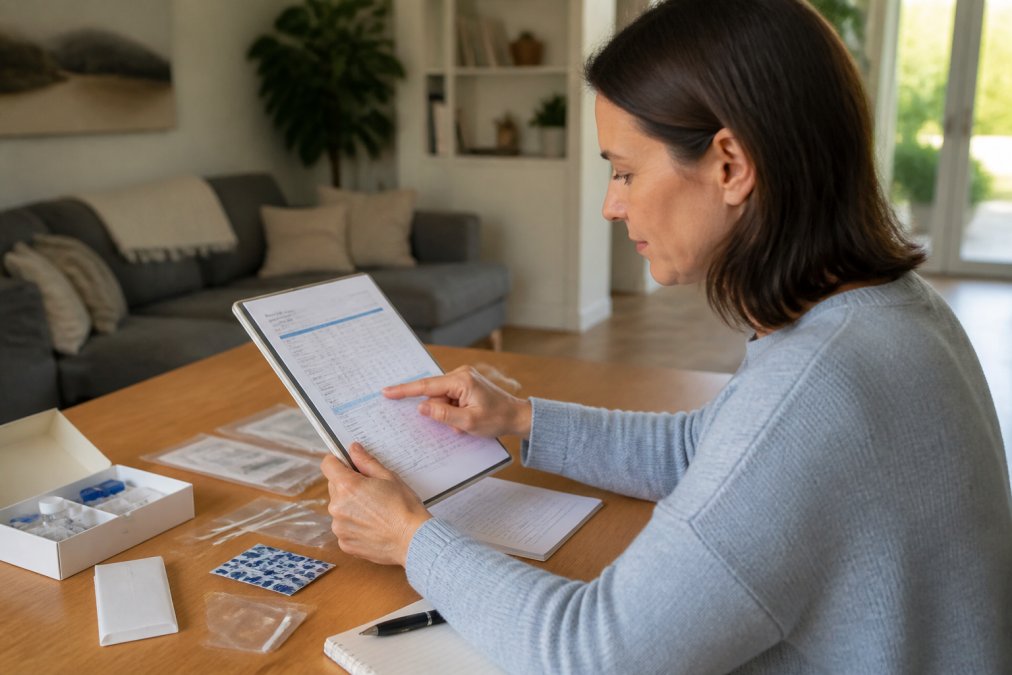
Your NAD⁺ test result is meaningful data, but still just one piece of information about your health. Medical interpretation places that data in the context of your symptoms, medical history, medications, and other biomarkers.
Seek medical interpretation if your result is significantly outside the reference range and you're unsure what to do, you have symptoms (fatigue, poor recovery, cognitive fog) and want to know whether NAD⁺ is a contributing factor, you're considering supplementation and want professional guidance, you have a chronic condition or take medications that might affect NAD⁺ metabolism, or you're tracking changes over time and want help interpreting trends.
Your GP or a functional medicine practitioner can contextualise your result within your broader health picture and advise whether interventions targeting NAD⁺ are appropriate for your situation.
Clinical Oversight and Medical Consultation
You can measure your NAD⁺ accurately at home, but interpreting that measurement and deciding what to do about it requires medical knowledge and individualised assessment. Clinical oversight doesn't mean you need a doctor's permission to test. It means that after you have your result, you should discuss it with a qualified healthcare professional before making significant changes to supplementation, exercise, or lifestyle.
Bien-Etre's reports are designed to facilitate this conversation. They're written in clear, jargon-free language so you can understand your results and discuss them confidently with your healthcare provider. The responsibility for medical interpretation and decision-making remains with the professional, not the test.
Limitations of DIY NAD Testing and When Laboratory Analysis Matters
At-home NAD testing is powerful for convenience and early insight, but it has real limitations.
First, NAD⁺ is one biomarker among many. Low NAD⁺ might explain some of your fatigue, but not all of it. Sleep quality, training load, nutrient status, thyroid function, iron levels, and mental health all influence energy and recovery.
Second, NAD⁺ levels fluctuate. A single measurement is a snapshot. Serial testing, measuring again after four to eight weeks, gives you more reliable data about your true status and whether interventions are working.
Third, at-home testing assumes you can collect a quality sample. Pre-analytical errors happen, especially with first-time users. If your result seems inconsistent with how you feel, a retest or a laboratory venipuncture sample might be warranted.
Laboratory analysis (traditional blood draw at a clinic or pathology centre) offers advantages: professional phlebotomists ensure quality collection, samples are processed immediately, and results are interpreted by trained laboratory professionals. For most people, at-home testing from Bien-Etre provides sufficient accuracy and actionable insight. For those with complex medical histories, multiple symptoms, or a need for absolute certainty, laboratory testing remains the stronger option.
Building Your Post-Test Action Plan
Having your NAD⁺ result is the beginning, not the end. What matters is what you do with it.
Using results to guide supplementation and lifestyle changes
If your result shows low NAD⁺, several evidence-informed approaches can help raise it. The most direct is NAD⁺ precursor supplementation, taking compounds like nicotinamide riboside (NR) or nicotinamide mononucleotide (NMN) that your body converts to NAD⁺. Bien-Etre's NAD⁺ Intracellular Test (£299.00) is often paired with supplementation protocols. The Starter Pack combines the test with a month of NAD+ supplement at the same price, giving you a baseline and the tools to begin optimisation.
Beyond supplementation, lifestyle factors influence NAD⁺ significantly: regular aerobic and resistance training boosts NAD⁺ production; prioritising 7-9 hours of consistent sleep is foundational; short-term caloric restriction or intermittent fasting activates NAD⁺-dependent pathways; stress-reduction practices help preserve NAD⁺; and ensuring adequate B vitamins, particularly niacin (B3), supports NAD⁺ production.
A practical action plan starts with one or two lifestyle changes, not all at once. If your NAD⁺ is low and you're sedentary, adding regular exercise is a logical first step. If you're already active but sleeping poorly, sleep improvement is the priority. Supplementation can complement these changes, but it's not a substitute for them.
Tracking changes over time
A single NAD⁺ measurement is useful; a series of measurements over months is far more powerful. Retesting after 8-12 weeks of consistent supplementation and lifestyle changes lets you see whether your interventions are working.
When you retest, you're answering a specific question: "Did my NAD⁺ level improve after these changes?" If it did, you have evidence that your approach is working. If it didn't, you might adjust your supplementation dose, try a different NAD⁺ precursor, or focus on lifestyle factors you haven't yet addressed.
Bien-Etre's 60 Day Cellular Recharge plan (£199.00) is designed with this timeline in mind. It includes the initial NAD⁺ test plus 60 days of NMN300 supplementation. After 60 days, a follow-up test reveals whether your cells are responding. This iterative approach, test, intervene, retest, transforms NAD⁺ testing from a one-time curiosity into a genuine optimisation protocol.
At-home NAD testing is accurate when performed with clinical-grade rigour, and Bien-Etre delivers exactly that. Your results are trustworthy, your interpretation matters, and your next steps should be informed by both your data and professional guidance. The real power of knowing your NAD⁺ level isn't the number itself; it's the clarity it brings to why you feel run down and the concrete path it opens to feeling better. Start with your baseline, discuss your results with your healthcare provider or coach, and build a personalised plan that works for your biology. NHS guidance on blood tests and home testing kits recommends discussing any home test results with your GP before making health decisions. The Bien-Etre NAD⁺ test gives you the data; clinical oversight and your own consistency give you the results.
Frequently Asked Questions
How accurate are at-home NAD tests compared to laboratory blood work?
At-home NAD testing can deliver accurate results when samples are collected correctly and processed by accredited laboratories. The accuracy depends on specimen integrity, proper sample collection, and whether the laboratory uses validated analytical methods. Clinical-grade NAD testing uses dried blood spot analysis processed by accredited labs, which provides diagnostic accuracy comparable to traditional venipuncture when pre-analytical standards are met. However, user error during collection can reduce reliability. Results work best alongside clinical oversight rather than as standalone diagnostics.
What factors influence the accuracy of home-based NAD+ testing?
Key factors affecting accuracy include proper sample collection technique, maintaining specimen integrity during transport, the laboratory's validation standards, and how quickly samples reach the lab. Temperature exposure, contamination, and insufficient blood volume are common pre-analytical errors that compromise results. Clinical-grade NAD testing minimizes these risks through detailed collection instructions and accredited laboratory processing. Your test reliability also depends on consistent timing, medication use, and whether you follow preparation guidelines. When collection is done correctly, at-home tests can yield results as reliable as clinic-based testing.
Can at-home health tests provide clinical-grade results?
Yes, at-home tests can provide clinical-grade results if they meet specific criteria: accredited laboratory analysis, validated analytical methods, proper specimen handling, and clear reference ranges. Clinical-grade NAD testing uses dried blood spot samples processed by laboratories meeting rigorous standards. The difference between clinical-grade and consumer-grade testing lies in validation studies, regulatory oversight, and analytical performance metrics like sensitivity and specificity. Bien-Etre's NAD⁺ Intracellular Test delivers clinical-grade results through accredited laboratory processing, enabling you to discuss findings confidently with healthcare providers.
What are the limitations of DIY health testing kits?
DIY testing limitations include user error during sample collection, potential specimen degradation, lack of medical interpretation, and inability to account for individual health factors. Home tests provide a snapshot rather than comprehensive diagnostics and cannot replace clinical assessment for symptoms or suspected conditions. Results require medical consultation to be actionable. Additionally, some kits lack rigorous validation studies or use unproven biomarkers. The best approach combines at-home testing with professional guidance to interpret results in context of your full health picture and any symptoms you're experiencing.
This article was written using GrandRanker