
SelfDecode vs AveaLife: Health Insights Compared (2026)
Table of Contents
- SelfDecode vs AveaLife at a Glance
- How SelfDecode and AveaLife Turn DNA Into Health Insights
- How to Interpret Preventative Health Biomarkers
- At-Home Diagnostic Testing UK Regulations
- Benefits of NAD+ Testing for Longevity
- Pricing, Subscription Models and What You Get
- Which Platform Fits Your Health Goals?
- Frequently Asked Questions
Last Updated: September 25, 2026
SelfDecode vs AveaLife at a Glance
Choosing between selfdecode vs avealife for health insights comes down to one question: do you want to upload DNA data you already have, or start fresh with a proprietary kit? SelfDecode is a DNA analysis platform built around uploading raw genetic data, while AveaLife is a wellness and supplement brand that ties recommendations to its own testing pathway. This guide from Bien-Etre breaks down how each turns your DNA into something you can act on, where they differ on reports and pricing, and which fits your goals.
How SelfDecode and AveaLife Turn DNA Into Health Insights
The two platforms turn DNA into advice in fundamentally different ways, and the difference sits in the pipeline between your sample and your report. Understanding that pipeline is the only way to judge whether the insights you get are worth acting on.
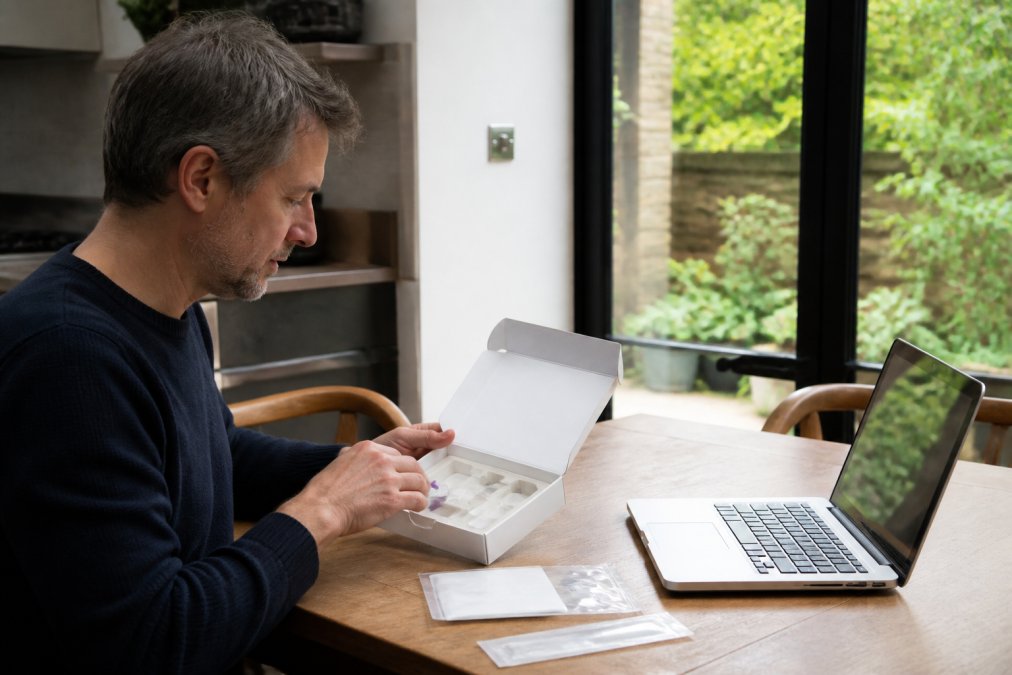
The analysis pipeline, step by step
SelfDecode works from a raw DNA file. You export your data from a previous test, the common formats are 23andMe, AncestryDNA and MyHeritage exports, plus VCF files, and upload it to the platform. SelfDecode then runs the file through its own interpretation engine, matching your called genotypes against its internal database of genetic variants and published research associations. The output is a set of reports organised by health category, each one citing the studies behind the association.
What 'depth' actually means in a report
Report depth is not about how many pages you get. It comes down to four measurable things:
- How many variants are interpreted. A raw file from a consumer array typically contains somewhere between 600,000 and 700,000 genotyped positions. How many of those a platform actually interprets, rather than simply stores, is the real breadth figure.
- Whether findings are polygenic or single-variant. A single-SNP finding is easy to report and easy to overstate. A polygenic score combines many variants into one risk estimate and is harder to build, but usually more meaningful for traits like cardiovascular risk or nutrient handling.
- Whether each finding is cited. Look for a linked study or reference next to each association. An uncited claim is a marketing statement, not an insight.
- Whether the report distinguishes risk from diagnosis. A predisposition is not a diagnosis, and a good report says so plainly.
Where the two genuinely diverge
| Dimension | SelfDecode | AveaLife |
|---|---|---|
| Input | Raw DNA file upload | Proprietary kit sample |
| Time to first insight | Minutes after upload | Days to weeks, depending on lab turnaround |
| Variant coverage | Broad, across many health categories | Narrow, aligned to the product range |
| Citations per finding | Usually included | Not the focus |
| Update model | Database revisions | New kit or new product cycle |
| Best suited to | People who already hold raw data and want to explore | People who want a short, guided action list |
DNA file upload vs proprietary kit testing
This is the biggest practical split. Uploading existing data is faster and cheaper because the genotyping has already been paid for. A proprietary kit gives you a controlled sample and a defined chain of custody from swab to lab, but it adds cost and a waiting period, and it locks your data into that brand's ecosystem.
Report depth and breadth
SelfDecode's reports span categories such as nutrient metabolism, cardiovascular predisposition, methylation, detoxification pathways and response to certain medications. AveaLife's reports stay closer to the wellness categories its supplements address. If you want to dig into individual variants and the research behind them, SelfDecode gives you more to work with. If you want a short list of actions, AveaLife's tighter scope may feel less overwhelming, but it also means fewer places to look when a result does not fit the brand's narrative.
How to Interpret Preventative Health Biomarkers
Interpreting preventative health biomarkers means reading a measurement against a reference range and understanding what it signals about your future risk, not just your current state. A single number rarely tells the whole story. Context matters: your age, lifestyle, and other markers shape what any result means.
A practical approach:
- Compare to ranges, not absolutes. A result inside the reference range can still trend toward a risk boundary.
- Look for patterns. Two or three markers moving together say more than one outlier.
- Match markers to action. If a marker points to nutrient absorption, that informs diet or supplement choices.
- Bring results to a professional. A GP or registered nutritionist can put them in clinical context.
At-Home Diagnostic Testing UK Regulations
At-home diagnostic testing sits under a framework of consumer protection and medical device rules, and the practical question for anyone comparing platforms is simple: is the test a regulated medical device, or is it sold as a wellness or educational product? The answer changes what accuracy claims you can rely on.
The two regulatory routes
Wellness and educational tests. These explain tendencies and general guidance. They are not intended to diagnose, treat or prevent a condition, and they are generally not classified as medical devices. The trade-off is that the accuracy and clinical validity claims are lighter-touch.
What to check before you buy
- Is the lab accredited? Look for UKAS accreditation against the relevant ISO standard for medical laboratories (ISO 15189) or for testing laboratories (ISO/IEC 17025). Accreditation is not a guarantee of clinical meaning, but it does mean the lab is independently assessed on its methods.
- Does the report state its limits? A credible report tells you what the test can and cannot detect, and what a result does not mean.
- Is the claim diagnostic or wellness? If the marketing implies diagnosis but the small print says wellness, treat the diagnostic implication with caution.
- Is there a named clinical governance route? For anything involving a health claim, check whether results are reviewed by a registered professional and whether there is a clear path to follow-up.
Genetic testing specifically
Direct-to-consumer genetic tests sold for wellness or ancestry purposes are generally not diagnostic devices. A genetic predisposition is a probability statement, not a diagnosis, and the same variant can behave differently depending on age, lifestyle and other markers. For clinical genetic testing, the kind that informs treatment, the route runs through the NHS and a referral from a clinician, not a consumer kit.
How this affects the platform comparison
This is where the two platforms diverge in a way that matters. A raw-DNA-upload platform is interpreting data that was generated elsewhere, so the accuracy of the underlying genotyping depends on the original provider, not on the analysis platform. A proprietary-kit brand controls the sample collection and the lab, so it can make stronger statements about the chain from swab to result, but only if that lab is accredited and the claims are proportionate.
Benefits of NAD+ Testing for Longevity
NAD+ testing measures a coenzyme involved in cellular energy production, and its appeal for longevity comes from the link between NAD+ levels and how well cells generate energy. Many people exploring energy and recovery turn to it because it offers a measurable number rather than a vague feeling.
The benefits people look for:
- A baseline you can track. A measured NAD+ level gives you something to compare over time.
- Insight into fatigue. If you feel run down without a clear cause, a measurable marker can guide the next step.
- Support for recovery routines. Athletes and active adults use it to inform training and recovery decisions.
Pricing, Subscription Models and What You Get
Pricing models differ, and the total cost depends on whether you already have DNA data. Upload-based platforms avoid the cost of a new kit; proprietary-kit brands bundle the sample into the price.
| Option | Price | Model | Best For |
|---|---|---|---|
| Bien-Etre DNA Nutrition Test | £199 | One-time | Nutrition and fitness from your genes |
| Bien-Etre NAD⁺ Intracellular Test | £299 | One-time | Cellular energy and recovery |
| Bien-Etre DNA Skin Test | £199 | One-time | Skin ageing and repair |
| SelfDecode | Varies by plan | Subscription | Raw DNA upload and deep analysis |
| AveaLife | Kit plus supplement cost | Kit and product | Guided wellness routine |
Which Platform Fits Your Health Goals?
The right choice depends on what you already have and what you want next. If you hold a raw DNA file and enjoy digging into SNPs and scientific citations yourself, SelfDecode fits. If you want a guided routine with supplements built in, AveaLife fits.

Three questions to decide:
- Do you already have raw DNA data? If yes, upload-based analysis saves you a kit.
- Do you want guidance or exploration? Guided routines suit beginners; deep analysis suits tinkerers.
- Do you want a one-time cost or a subscription? Match the model to how you actually use results.
Frequently Asked Questions
Is SelfDecode a reputable company for genetic analysis?
SelfDecode provides DNA-based health reports using genetic data, but it is not a clinical diagnostic service. Its insights are for educational and wellness purposes. For clinical-grade analysis, look for platforms that work with accredited laboratories using validated protocols. Always discuss any health decisions with a qualified professional rather than acting on a consumer report alone.
What should I look for when choosing a personalised health platform?
Check whether the platform uses accredited labs and validated genetic protocols, how it handles your genomic data, and whether reports are written in plain language you can act on. Look for data encryption, clear privacy compliance and the option to download a PDF to share with your doctor. Also consider whether you want DNA-only insights or biomarker testing like NAD+ for a fuller picture.
Are at-home health diagnostic tests regulated in the UK?
At-home diagnostic tests sold in the UK must meet consumer protection and medical device rules where applicable. Genetic and biomarker tests that make health claims fall under UK advertising and medical device regulations. Reputable providers use accredited laboratories and state clearly that results are for educational purposes, not diagnosis. Always check the provider's lab accreditation and privacy policy before ordering.
How do biomarker-based health insights differ from DNA testing?
DNA testing shows genetic predispositions that do not change over time, such as how you may process certain nutrients. Biomarker testing measures what is happening in your body now, like intracellular NAD+ levels. Combining both gives you a genotype and phenotype view: your genetic blueprint plus your current biological state. That combination supports more targeted lifestyle and supplement decisions.
How does data privacy work for UK-based health testing services?
UK health testing services handling genetic data must comply with UK GDPR and the Data Protection Act 2018. This means they need a lawful basis for processing, must tell you how your data is stored and shared, and must honour your rights to access or delete it. Look for providers that use data encryption, offer data portability and state clearly whether your sample or genomic data is shared with third parties.
Unexplained fatigue and skin changes rarely have a single obvious cause, and guessing wastes time and money. Bien-Etre gives you measurable answers through the DNA Nutrition Test, the NAD⁺ Intracellular Test, and the DNA Skin Test, each analysed by accredited partner laboratories and explained in plain language you can share with your GP or coach. Get started with Bien-Etre and stop guessing why you feel run down.