
How to Optimise Recovery for Runners
Table of Contents
- Why Recovery Matters for Running Performance
- Understanding the Signs of Overtraining in Runners
- Post-Run Nutrition and Hydration Strategy
- Active Recovery, Stretching and Mobility Work
- Sleep, Circadian Rhythm and Parasympathetic Recovery
- How to Track Recovery Metrics for Data-Driven Decisions
- Perimenopause and Running Performance: Hormonal Considerations
- Building Your Optimised Recovery Plan
Last Updated: August 28, 2026
Why Recovery Matters for Running Performance
Recovery is when adaptation occurs. During your run, you create micro-tears in muscle fibres and deplete glycogen stores. The real work happens in the hours and days after, when your body repairs itself stronger than before. Without proper recovery, you're repeating the same stimulus without progression.
Most runners focus obsessively on the workout itself while treating recovery as an afterthought. The data tells a different story: runners who optimize recovery see measurable improvements in performance, reduced injury rates, and better consistency over time. Whether you're training for a half-marathon or managing a regular running routine, understanding how to optimize recovery is the difference between stagnating and advancing.
At Bien-Etre, we empower you to optimize your health with personalized, lab-backed at-home diagnostic testing. When individuals understand their unique biology through measurable data, they can stop guessing why they feel run down and how their skin ages. The same principle applies whether you're 25 or 55: your body needs specific inputs to recover properly, and those inputs change based on your individual biology.
Understanding the Signs of Overtraining in Runners
Overtraining syndrome develops gradually, and most runners don't recognise it until performance has already declined. Early warning signs include persistent heaviness in your legs, elevated resting heart rate, or that your usual easy pace feels hard.
One of the most reliable indicators is heart rate variability (HRV). When you're recovering well, your parasympathetic nervous system dominates, creating natural variation in the time between heartbeats. As fatigue accumulates, HRV drops because your sympathetic nervous system stays elevated. Runners who track HRV often catch overtraining before performance tanks.
Other common signs include persistent irritability, disrupted sleep despite exhaustion, sudden loss of motivation, and frequent illness. Your immune system suffers, and minor injuries take longer to heal. Some runners experience gastrointestinal issues or loss of appetite, which directly impacts their ability to fuel recovery.
If you're dreading runs that normally excite you, or if training feels like an obligation rather than enjoyment, your nervous system is likely stressed. This isn't weakness; it's your body communicating that it needs more recovery.
Post-Run Nutrition and Hydration Strategy
Glycogen replenishment and muscle protein synthesis
What you eat in the first two hours after running directly influences how quickly your muscles repair and adapt. Your muscles are primed to accept nutrients immediately post-run, when insulin sensitivity is elevated and muscle protein synthesis is at its peak.
Carbohydrates replenish glycogen, the fuel your muscles burned during the run. Aim for carbohydrates with a moderate to high glycemic index: white rice, potatoes, bananas, or sports drinks (peer-reviewed research). Pair this with protein to support muscle protein synthesis. A simple rule: consume roughly 1 gram of carbohydrate per kilogram of body weight, plus 20-40 grams of protein within 30-60 minutes of finishing your run.
Timing matters more than perfection. If you can't eat a full meal immediately, a liquid option works just as well. A smoothie with banana, Greek yoghurt, and oats delivers both carbohydrates and protein without requiring you to sit down for a full meal.

Recovery nutrition becomes even more critical as you age. Older runners often have slightly lower muscle protein synthesis rates, meaning they need to be more intentional about post-run nutrition to achieve the same adaptation. If you're in your 40s or 50s, don't skip this step.
Electrolyte balance and hydration status
Hydration extends beyond simply drinking water. When you sweat, you lose sodium and other electrolytes that help your body retain fluid and support muscle function. This is especially important for longer runs (anything over 90 minutes) or if you run in warm conditions.
Plain water alone can actually dilute your blood sodium levels if you drink too much without electrolytes, a condition called hyponatraemia (peer-reviewed research). Instead, use a sports drink containing sodium and carbohydrates, or add electrolyte tablets to your water. Aim to drink enough that your urine is pale yellow, not clear or dark.
Post-run rehydration is equally important. Drink roughly 150% of the fluid you lost during the run over the next four hours. If you lost 1 kilogram of body weight (roughly 1 litre of sweat), drink 1.5 litres of fluid with electrolytes over the following hours.
If you consistently finish runs dehydrated and don't rehydrate properly, your baseline hydration suffers, which impairs recovery and increases injury risk. Make hydration a deliberate part of your routine.
Active Recovery, Stretching and Mobility Work
Dynamic and static stretching routines
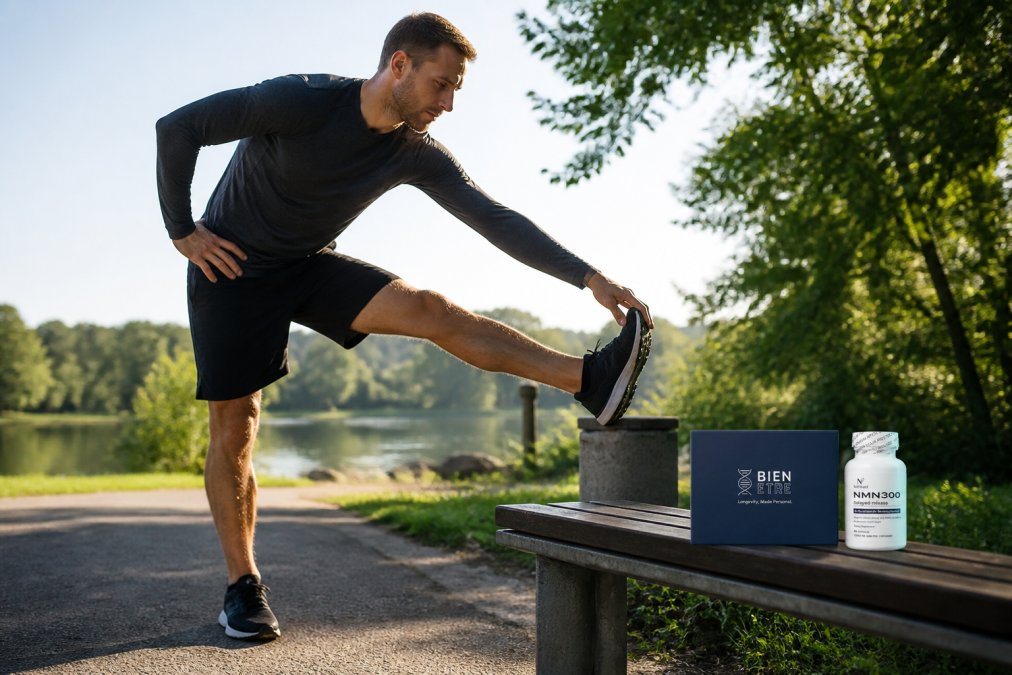
Dynamic stretching, controlled movements that take joints through their range of motion, works best as part of a warm-up before running. Static stretching (holding a stretch for 20-30 seconds) is more appropriate post-run, when your muscles are warm and pliable.
A simple post-run routine takes 10-15 minutes and targets the muscles most stressed during running: hip flexors, hamstrings, calves, and quadriceps. Hold each stretch for 20-30 seconds, breathing steadily. You should feel mild tension, not pain.
Mobility work goes deeper than basic stretching. It combines stretching, strengthening, and movement patterns to improve how your joints function. Spending 10 minutes daily on mobility work, targeting your ankles, hips, and thoracic spine, pays dividends in injury prevention and movement quality.
Foam rolling and self-myofascial release
Foam rolling applies pressure to muscle tissue and the fascia surrounding it, potentially reducing muscle tension and improving blood flow. The evidence suggests it's most effective when used consistently as part of your recovery routine.
Roll slowly over each muscle group for 60-90 seconds, pausing on tender spots for 10-20 seconds. Focus on your calves, quadriceps, IT band, and glutes. Avoid rolling directly over bone or joints. Many runners find that foam rolling before bed helps them sleep better, possibly because it reduces muscle tension and activates the parasympathetic nervous system.
Sleep, Circadian Rhythm and Parasympathetic Recovery
Sleep is where the majority of adaptation happens. During deep sleep, your body releases growth hormone, repairs muscle tissue, and consolidates neural adaptations from training. Runners who sleep poorly recover poorly, regardless of how well they eat or stretch.
Most adults need 7-9 hours of sleep, but athletes often benefit from slightly more, 8-10 hours is common for runners in heavy training blocks (peer-reviewed research). If you're consistently sleeping less than 7 hours, that's likely limiting your recovery more than any other single factor.
Your circadian rhythm, the 24-hour cycle that regulates sleep, hormone release, and body temperature, significantly influences recovery. Running at consistent times and sleeping at consistent times helps synchronise your circadian rhythm, which improves sleep quality and hormonal balance.
Practical sleep hygiene: keep your bedroom cool (around 16-18°C), dark, and quiet. Avoid screens for 30-60 minutes before bed. If you run in the evening, finish at least 2-3 hours before bedtime to allow your heart rate and core temperature to drop.
If you're in perimenopause or menopause, sleep disruption is particularly common due to hormonal fluctuations. Night sweats, hot flushes, and mood changes can all interfere with sleep quality. In these cases, recovery requires additional attention to sleep environment and potentially discussion with your healthcare provider about managing hormonal symptoms.
How to Track Recovery Metrics for Data-Driven Decisions
Tracking recovery metrics transforms recovery from guesswork into a measurable process. The most accessible metric is resting heart rate, measured first thing in the morning before getting out of bed. A consistently elevated resting heart rate (5-10 beats per minute higher than your baseline) suggests incomplete recovery.
Heart rate variability (HRV) provides more nuanced information. Apps like Whoop, Oura, or Elite HRV measure the variation in time between heartbeats. Higher HRV generally indicates better recovery and parasympathetic activation. Lower HRV suggests your nervous system is stressed or fatigued. Tracking HRV daily helps you identify patterns.
Sleep tracking through wearables gives you data on sleep duration and quality. While not perfectly accurate, these devices are useful for identifying trends. If your sleep duration drops or sleep quality declines, that's a signal to prioritise recovery more intentionally.
Subjective metrics matter too. A simple daily assessment, rating your energy, motivation, muscle soreness, and sleep quality on a scale of 1-10, creates a recovery profile. Over weeks and months, patterns emerge that help you understand what supports your performance.
Perimenopause and Running Performance: Hormonal Considerations
Perimenopause, the transition phase leading to menopause, significantly affects recovery. Fluctuating oestrogen and progesterone levels alter inflammation markers, glycogen storage, and thermoregulation. Many runners in their 40s and 50s notice that their usual training suddenly feels harder, or that they take longer to recover from the same workouts.
Falling oestrogen levels can reduce the anabolic response to training, meaning your muscles adapt more slowly. This isn't a sign of weakness; it's a physiological reality that requires adjusting your recovery strategy.
Sleep disruption during perimenopause is common. Night sweats and hot flushes fragment sleep, reducing the deep sleep stages critical for recovery. Prioritise sleep environment optimisation (cooler bedroom, moisture-wicking bedding) and consider discussing hormone-related sleep issues with your healthcare provider.
Nutrient needs may also shift during perimenopause. Some research suggests that iron requirements change, and protein needs may increase slightly to maintain muscle mass as oestrogen declines. Paying closer attention to post-run nutrition, ensuring adequate protein and micronutrients, becomes increasingly important.
Understanding how hormonal changes affect your recovery removes the frustration of feeling like your fitness has declined when actually your recovery demands have shifted.
Building Your Optimised Recovery Plan
An optimised recovery plan integrates nutrition, active recovery, sleep, and tracking into a coherent system tailored to your individual needs. Start by assessing your current recovery practices. Most runners excel in one or two areas while neglecting others.
Your plan should include:
- Post-run nutrition: Carbohydrate + protein within 60 minutes of finishing
- Hydration: Electrolyte-containing fluids based on sweat rate and run duration
- Active recovery: 10-15 minutes of stretching and mobility work on easy days
- Sleep: Consistent bedtime, 7-9 hours minimum, cool and dark environment
- Tracking: At least one metric monitored daily
- Rest days: At least one full rest day per week, more during high-mileage blocks
The specifics depend on your age, training volume, and individual response to training. A 45-year-old runner training 50 kilometres per week needs different recovery than a 55-year-old running 30 kilometres per week.
If you're consistently fatigued despite what seems like adequate recovery, consider investigating deeper. Bien-Etre's NAD⁺ test measures your cellular energy levels, revealing whether your fatigue stems from inadequate recovery or from declining NAD⁺ levels, a marker of cellular function that naturally declines with age. The 60 Day Cellular Recharge bundle combines baseline NAD⁺ testing with NMN supplementation to support cellular recovery over two months.

Alternatively, if you suspect nutrition is limiting your recovery, Bien-Etre's DNA Nutrition Test provides personalised insights into how your genetics influence nutrient metabolism and food response. Rather than following generic nutrition advice, you'll understand your individual biology.

Recovery optimisation isn't about doing more, it's about doing what works for your individual physiology. Start with the fundamentals: consistent sleep, strategic nutrition, and basic stretching. Track one metric to identify patterns. Adjust based on data, not on what worked for someone else.
Most runners plateau because their recovery can't match their training ambition. You've optimised your workouts; now optimise what happens after. Understanding your individual recovery needs, through tracking, data, and sometimes through deeper investigation of your cellular health, is what separates runners who improve year after year from those who spin their wheels. Bien-Etre helps you move beyond generic recovery advice by measuring your actual biology. Get started with the 60 Day Cellular Recharge and discover whether your recovery is limited by training stress or by cellular energy, then adjust your strategy accordingly.
Frequently Asked Questions
Q: What are the signs of poor recovery in runners?
A: Poor recovery shows as persistent fatigue that doesn't improve with rest, elevated resting heart rate (5-10 beats per minute above your baseline), delayed onset muscle soreness (DOMS) lasting more than 3-4 days, decreased running performance despite adequate training, mood changes or irritability, and weakened immune function (frequent colds or infections). If these persist, your body needs more recovery time or your training load needs adjustment. Tracking these signs helps you catch overtraining before it becomes serious.
Q: How does perimenopause affect running recovery?
A: Perimenopause alters hormone levels, particularly oestrogen and progesterone, which directly influence inflammation response, muscle repair, and sleep quality. Fluctuating hormones can increase recovery time, affect how your body regulates body temperature during and after runs, and impact glycogen storage capacity. Many women report needing more rest days or longer cool-down periods during perimenopause. Understanding your individual hormonal patterns through lab-backed testing helps you adjust your training and recovery strategy to match your changing biology rather than following generic advice.
Q: What should you avoid doing immediately after a run?
A: Avoid stopping abruptly without a cool-down period, as this can cause blood pooling and dizziness. Don't skip hydration or nutrition within 30-60 minutes of finishing, your body's muscle protein synthesis window is most active then. Avoid static stretching immediately post-run when muscles are fatigued; save that for later. Don't do intense strength training on the same day as a hard run, and avoid ice baths unless you're doing high-intensity training (they may slow recovery from moderate-intensity runs). Finally, don't ignore signs of pain or unusual discomfort; address minor issues early to prevent injury.
Q: Can diagnostic testing like NAD⁺ testing help me understand my recovery needs?
A: Yes. NAD⁺ levels directly influence cellular energy production, muscle repair, and recovery speed. Lower NAD⁺ can explain persistent fatigue and sluggish recovery even when you're resting. The 60 Day Cellular Recharge combines a clinical-grade NAD⁺ test with NMN300 supplementation to establish your baseline and support cellular recovery over two months. Testing gives you measurable data rather than guessing why you feel run down, and clear results let you discuss specific recovery strategies with your coach or healthcare provider based on your actual biology.
This article was written using GrandRanker